
Last updated September 30, 2026
Tulips are one of the easiest flowers you’ll ever grow, as long as you get two things right: when you plant and how deep. Get those right in the fall, and you’ll get a burst of color next spring with almost no work at all.
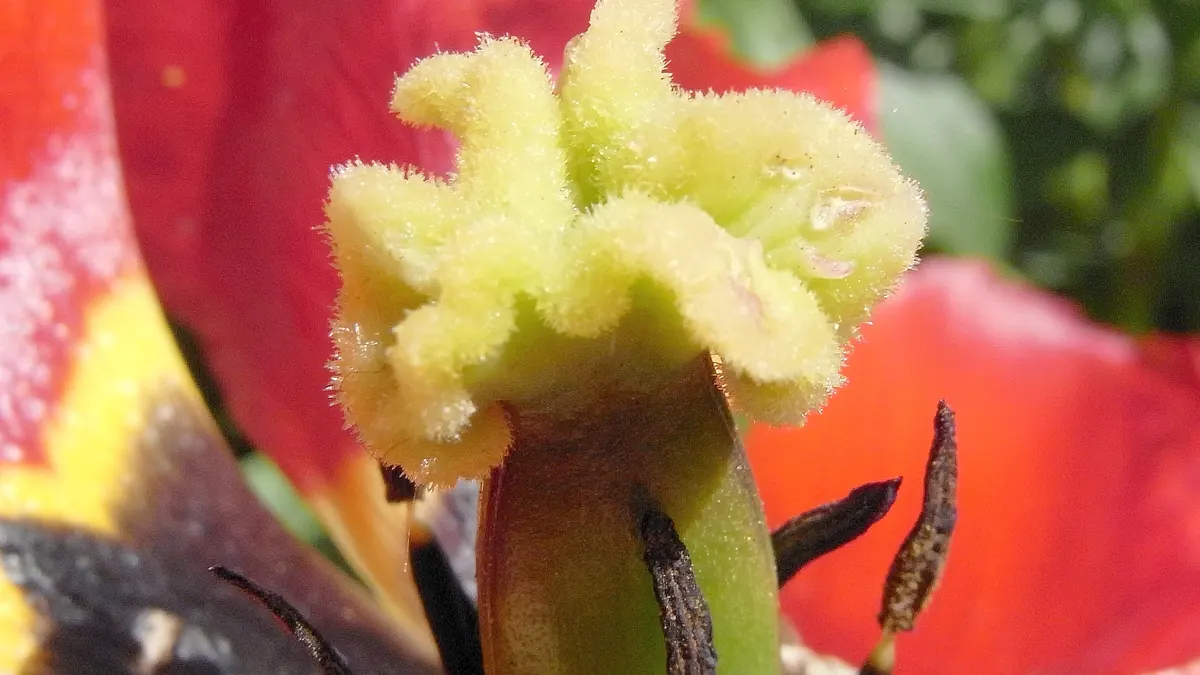
The short answer: plant tulip bulbs in the fall, once nights are cool (around 40–50°F), about six to eight weeks before the ground freezes. Set them pointy end up, about 6–8 inches deep and 4–6 inches apart, in a sunny spot with soil that drains well. Water once, then leave them alone until spring.

When to plant tulips in your zone
Tulips need a long, cold winter to bloom. That cold spell tells the bulb it’s time to flower. So the right planting time depends on where you live. Find your USDA hardiness zone, then use this table as a guide.
| USDA zone | Best planting window | Notes |
|---|---|---|
| 3–4 | Mid-September to early October | Plant early so roots grow before the freeze. |
| 5–6 | October to early November | The classic tulip zones. Plant when nights hit the 40s. |
| 7 | Late October to late November | Wait for the soil to cool down. |
| 8–10 | December to early January | Chill bulbs in the fridge for 10–12 weeks first. |
A simple rule works almost everywhere: plant when the soil is cool but not frozen. If you can still dig easily and the nights are chilly, you’re in the window. Missed it? You can often still plant into early winter, as long as the ground isn’t frozen solid.
How to plant tulip bulbs, step by step
Pick a sunny spot
Tulips want at least six hours of sun a day. Choose a spot that doesn’t stay soggy after rain, because wet soil rots bulbs.
Loosen the soil
Dig the soil to about 12 inches deep and mix in some compost. If you have heavy clay, adding compost or planting in a raised bed helps water drain away.
Dig to the right depth
Plant each bulb about three times as deep as it is tall. For most tulips that’s 6 to 8 inches from the bottom of the bulb to the top of the soil. Go a little deeper in sandy soil and a little shallower in clay.
Set them pointy end up
Place bulbs 4 to 6 inches apart with the pointed tip facing up and the flat, rooty end down. If you can’t tell which end is which, lay the bulb on its side. It will figure it out.
Cover and water
Fill the hole back in, press the soil down gently, and water well once. That one drink helps roots start growing before winter.
Mulch and wait
In cold zones, add 2 to 3 inches of shredded leaves or bark mulch once the ground starts to freeze. Then leave them alone until green shoots appear in spring.
For a natural look, plant tulips in groups of 10 or more instead of single rows. A big clump of one color looks much better than a thin line of mixed colors.
Planting tulips in pots
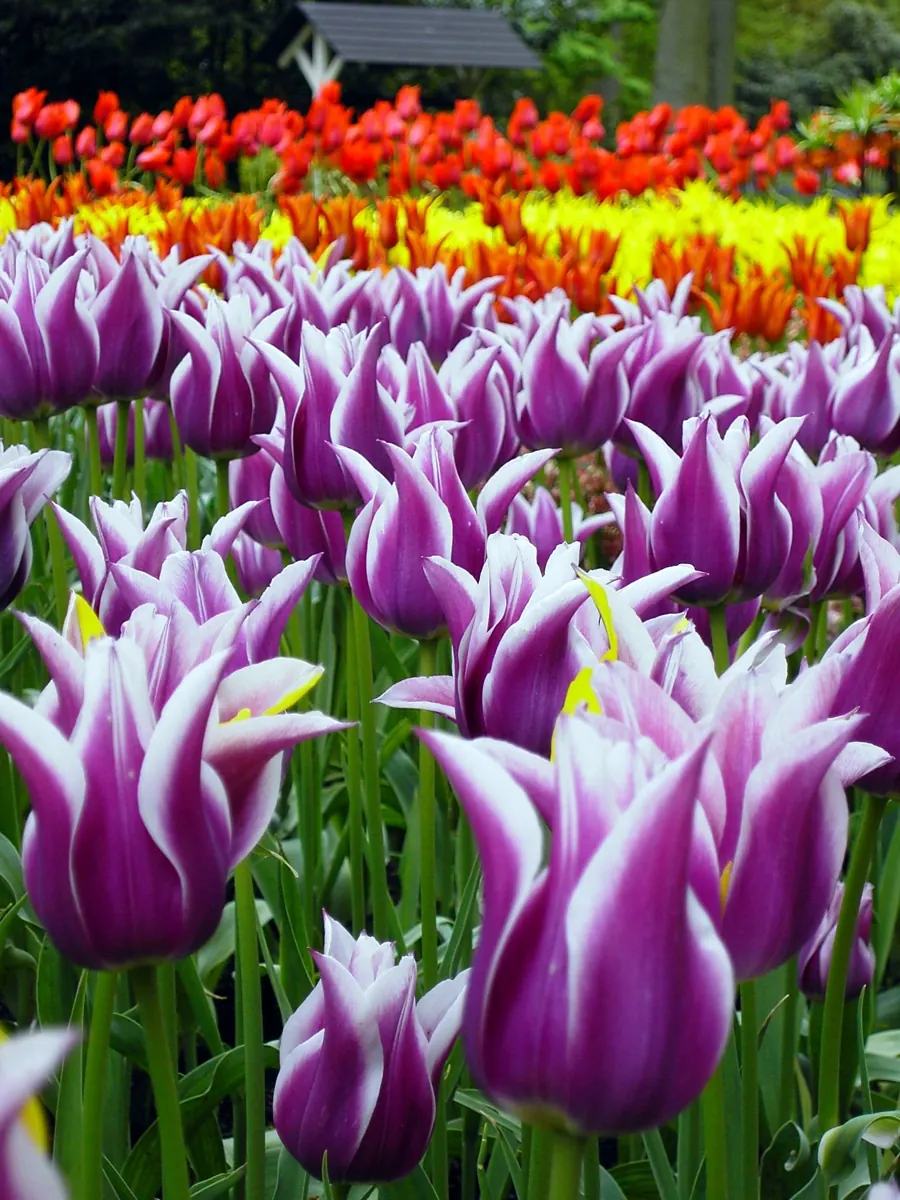
No garden bed? Tulips grow well in containers. Use a pot at least 12 inches deep with a drainage hole and fill it with regular potting mix. In pots you can pack bulbs closer together, almost touching, for a full look. Plant them about 6 inches deep.
The catch is winter cold. Soil in a pot freezes and thaws much faster than soil in the ground. In zones 3 to 5, keep potted bulbs in an unheated garage or shed over winter, and water lightly about once a month. In milder zones, you can leave the pot outside in a sheltered spot. Bring it into the sun once shoots appear in spring.
Keeping squirrels and deer away
To a squirrel, a freshly planted tulip bulb is a snack. Deer love the leaves and flowers in spring. A few tricks help:
- Clean up the papery bulb skins after planting. The smell draws squirrels to the spot.
- Lay chicken wire over the planting area, cover it with soil or mulch, and let shoots grow through the holes.
- Mix in bulbs that animals avoid, such as daffodils, alliums and grape hyacinths.
- Use a deer repellent spray on the leaves in spring, and reapply after rain.
What to do after tulips bloom
Once the flowers fade, snap off the seed heads so the plant doesn’t waste energy making seeds. But leave the leaves alone until they turn yellow and flop over, usually about six weeks later. The leaves are making food for next year’s flower. Cutting them early is the main reason tulips don’t come back.
Speaking of coming back: many modern tulips bloom well for only one or two years. If you want tulips that return year after year, look for types sold as “perennial” or “naturalizing,” such as Darwin hybrids, species tulips and Fosteriana tulips. They come back most reliably in cold-winter areas with dry summers.
Common tulip problems
| Problem | Likely cause | What to do |
|---|---|---|
| Bulbs rotted in the ground | Soil stayed too wet | Plant in a better-draining spot or a raised bed. |
| Leaves but no flowers | Not enough cold, too much shade, or old bulbs | Chill bulbs in warm zones, plant in full sun, replace tired bulbs. |
| Short, stubby stems | Not enough winter cold | Plant earlier or pre-chill bulbs. |
| Bulbs dug up or missing | Squirrels or voles | Use chicken wire; clean up bulb skins. |
| Leaves eaten in spring | Deer or rabbits | Use repellent or fencing. |
Tulip planting FAQs
What month should I plant tulip bulbs?
In most of the US, plant tulips in October or November, when nights are around 40 to 50°F. Plant earlier in very cold zones and later, in December or January, in warm zones after chilling the bulbs.
How deep do you plant tulip bulbs?
About 6 to 8 inches deep, measured from the bottom of the bulb. A good rule is three times the height of the bulb.
Which way up do tulip bulbs go?
Pointy end up, flat end with roots down. If you can’t tell, plant the bulb on its side and it will grow the right way.
Can I plant tulip bulbs in the spring?
Bulbs planted in spring usually won’t flower well, because they miss the winter cold they need. If you find bulbs in spring, chill them in the fridge for 12 weeks first, or buy potted tulips that are already growing.
Do tulips come back every year?
Many fancy tulips bloom well for only one or two years. Darwin hybrids and species tulips come back more reliably, especially in areas with cold winters.
Sources and further reading
- ASPCA Animal Poison Control, Tulip
- North Carolina State Extension, Tulipa plant profile
- USDA, Plant Hardiness Zone Map
More fall planting guides
While you’re out with a trowel, fall is also the time to plant garlic for next summer’s harvest. For more step-by-step help, browse our gardening how-to guides.
More from Gardening How-To
-
How to Propagate a Snake Plant: 4 Easy Methods
How to propagate a snake plant in water, in soil, by division or from rhizomes, with timelines, the variegation catch and fixes for rotting cuttings. -
Plant Identification: How to Identify Any Plant
How to identify a plant: the best free plant ID apps, the clues to check (leaves, flowers, stems), free expert help, and safety tips for unknown plants. -
How to Plant Succulents (Without Rotting Them)
How to plant succulents: the right soil and pot, step-by-step planting, the soak-and-dry watering method, light, easy beginner types and pet safety. -
How to Grow Basil for a Big, Bushy Harvest
How to grow basil from seed or a store-bought plant: warmth and sun, watering, the pinching trick for bushy plants, harvesting and fixing problems. -
How to Plant Lavender So It Actually Survives
How to plant lavender: choosing English, French or lavandin types, when to plant, soil and drainage, spacing, growing in pots, watering and pruning. -
How to Plant Garlic in Fall for a Big Summer Harvest
How to plant garlic: when to plant in your zone, hardneck vs softneck, how deep to set the cloves, mulching, watering, scapes and when to harvest.