
Last updated September 30, 2026
Lavender smells amazing, bees love it, and it needs almost no water once it’s settled in. So why do so many lavender plants die in their first year? Almost always, it’s wet roots. Plant lavender where water drains away fast, and it can thrive for 10 years or more.
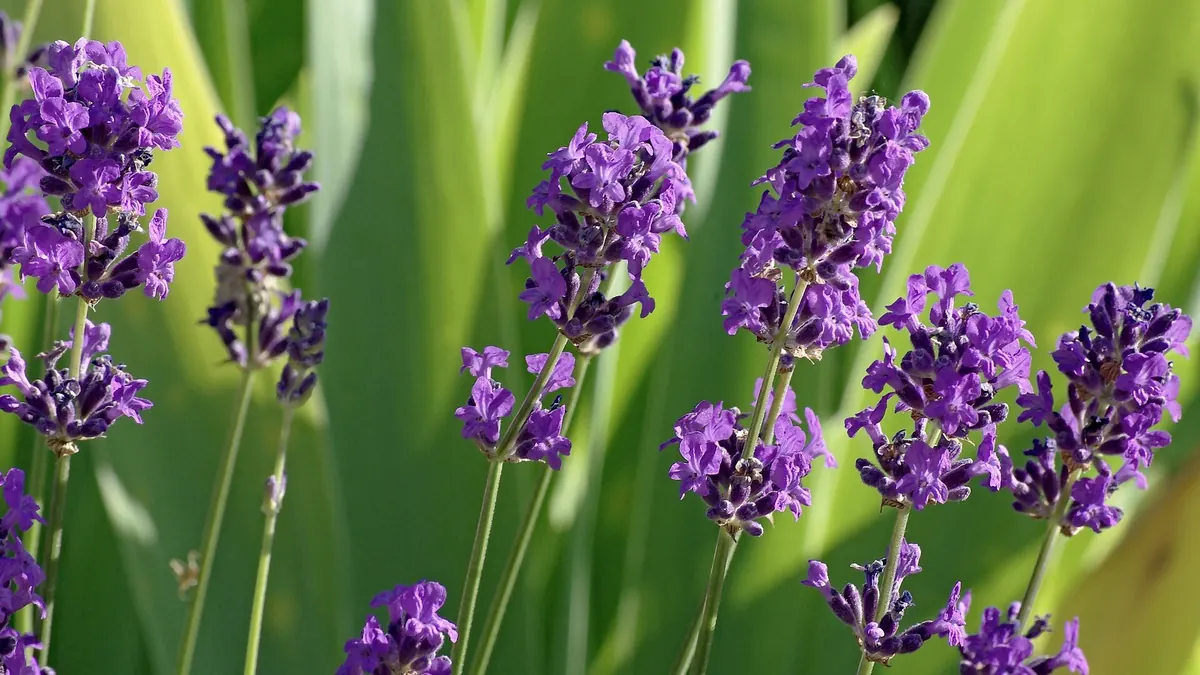
Step one: pick the right lavender
Not all lavender is equally tough. If you live where winters get cold, the type you buy matters more than anything else you do.
| Type | Cold hardiness | Best for | Popular varieties |
|---|---|---|---|
| English lavender (L. angustifolia) | Zones 5–8 (some to 4) | Cold winters, cooking, drying | ‘Hidcote’, ‘Munstead’, ‘Phenomenal’ |
| Lavandin (L. × intermedia) | Zones 5–9 | Big plants, strong scent, long stems | ‘Grosso’, ‘Provence’ |
| Spanish lavender (L. stoechas) | Zones 7–9 | Hot, dry areas; pots | ‘Anouk’, ‘Ballerina’ |
| French lavender (L. dentata) | Zones 8–11 | Warm areas; long bloom time | Fringed-leaf types |
If you’re not sure, choose English lavender. It’s the hardiest, the best for cooking, and the easiest to find. ‘Munstead’ and ‘Hidcote’ are classic, compact choices.
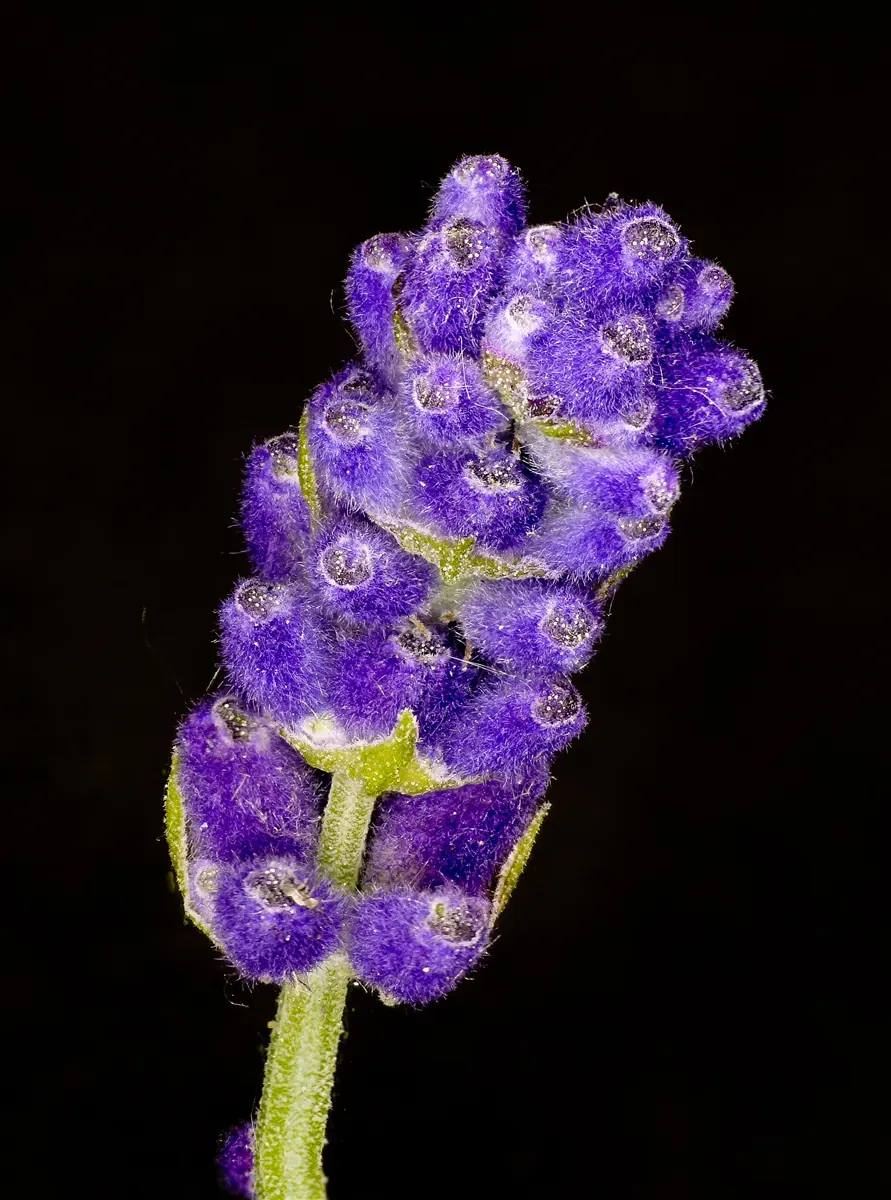
What lavender needs
Full sun
At least 6 to 8 hours of direct sun a day. In shade, lavender grows floppy and flowers poorly.
Sharp drainage
Sandy, gravelly or rocky soil is perfect. Heavy clay that stays wet will rot the roots, especially in winter.
Lean soil
Lavender comes from dry Mediterranean hills. Skip the rich compost and fertilizer. Poor soil makes more fragrant plants.
Lavender also likes soil that’s neutral to slightly alkaline, around pH 6.5 to 7.5. If your soil is acidic, a little garden lime can help. A simple soil test from your local extension office will tell you.
When to plant lavender
Spring is best in most places. Plant after the danger of frost has passed and the soil has warmed. That gives roots a whole season to settle in before winter.
In warm areas (zones 7 and up), early fall works too, because mild winters let roots keep growing. In cold zones, fall planting is risky: young plants often don’t have time to root before the ground freezes.
How to plant lavender, step by step
Fix the drainage first
If your soil is heavy, plant in a raised bed, on a small mound, or mix in coarse sand or fine gravel. A mound 6 to 12 inches high works wonders in clay.
Dig a wide hole
Make it about twice as wide as the pot and just as deep.
Loosen the roots
Slide the plant out and gently tease apart any circling roots.
Plant at the same depth
Set the top of the root ball level with, or a little above, the ground. Don’t bury the stems, or they may rot.
Space them out
Leave 2 to 3 feet between plants so air can move through them. Crowded lavender stays damp and gets diseases.
Water, then back off
Water well after planting. Then water about once a week for the first month or two, whenever the top inch of soil is dry.
Growing lavender in pots
Pots are a great answer to heavy clay soil or a small patio. Pick a pot at least 12 to 16 inches wide with a big drainage hole. Terracotta is ideal because it dries out quickly. Use a fast-draining mix: regular potting mix with about a third perlite or coarse sand, or a cactus mix.
Potted lavender dries out faster than plants in the ground, so check it every few days in summer and water when the top inch or two is dry. In cold zones, move pots into an unheated garage or a sheltered spot against the house for winter.
Watering established lavender
After the first season, lavender is very drought tolerant. In most gardens it only needs water during long dry spells, about every two weeks. Too much water is a far bigger danger than too little. Yellow leaves at the base and a gray, woody look that spreads through the plant are signs the roots are too wet.
How to prune lavender
Pruning keeps lavender full and stops it from turning into a woody, sprawling shrub. Here’s the routine:
- Light trim after the first bloom: snip off spent flower stems in summer. This often brings a second, smaller round of flowers.
- Main prune in late summer or spring: cut the plant back by about a third, shaping it into a rounded mound.
- Never cut into old, bare wood. Always leave some green leaves on each stem. Lavender rarely grows back from bare brown wood.
Even with good care, lavender plants get woody with age. After 8 to 10 years, many gardeners replace them with fresh plants.
Harvesting lavender
For drying, cut stems when about half the buds on each spike have opened. Cut in the morning, after the dew dries. Tie small bunches with a rubber band and hang them upside down in a dark, dry place for about two weeks. English lavender is the best type for cooking; use it sparingly, since a little goes a long way.
Common lavender problems
| Problem | Likely cause | What to do |
|---|---|---|
| Plant dies over winter | Wet soil in winter or a tender type | Improve drainage; grow English lavender in cold zones |
| Yellow leaves at the base | Overwatering | Water less; check drainage |
| Few flowers, floppy stems | Too much shade or rich soil | Move to full sun; stop fertilizing |
| Woody, open center | Not pruned, or old plant | Prune yearly; replace very old plants |
Lavender FAQs
When is the best time to plant lavender?
In spring, after the last frost, in most areas. Early fall also works in warm climates, zone 7 and up.
Does lavender come back every year?
Yes. Lavender is a perennial. Hardy types like English lavender come back for many years if they have full sun and good drainage.
How far apart should I plant lavender?
About 2 to 3 feet apart, so air can move between plants. Compact types can go a little closer.
Why is my lavender dying?
The most common cause is wet roots from heavy soil or too much water. Too much shade and cold winters for tender types are the next most common.
Can lavender grow indoors?
It’s hard. Lavender needs strong sun and moving air. A very sunny south-facing window or a strong grow light can work for a while, but it does much better outdoors.
Sources and further reading
- ASPCA Animal Poison Control, Lavender
- North Carolina State Extension, Lavandula angustifolia plant profile
- Wikipedia, Lavandula angustifolia
More sun-loving herbs and plants
Lavender pairs well with other Mediterranean herbs. Next, learn how to grow basil or grow your own bay leaf plant. For more planting guides, see our gardening how-to hub.
More from Gardening How-To
-
How to Propagate a Snake Plant: 4 Easy Methods
How to propagate a snake plant in water, in soil, by division or from rhizomes, with timelines, the variegation catch and fixes for rotting cuttings. -
Plant Identification: How to Identify Any Plant
How to identify a plant: the best free plant ID apps, the clues to check (leaves, flowers, stems), free expert help, and safety tips for unknown plants. -
How to Plant Succulents (Without Rotting Them)
How to plant succulents: the right soil and pot, step-by-step planting, the soak-and-dry watering method, light, easy beginner types and pet safety. -
How to Grow Basil for a Big, Bushy Harvest
How to grow basil from seed or a store-bought plant: warmth and sun, watering, the pinching trick for bushy plants, harvesting and fixing problems. -
How to Plant Garlic in Fall for a Big Summer Harvest
How to plant garlic: when to plant in your zone, hardneck vs softneck, how deep to set the cloves, mulching, watering, scapes and when to harvest. -
How to Plant Tulip Bulbs: When and How Deep
How to plant tulip bulbs in fall: the best time for your USDA zone, how deep and far apart to plant, pots vs beds, and how to get tulips to come back.