
Last updated September 30, 2026
Want to get rid of weeds without spraying chemicals? You have good options, but “natural” doesn’t always mean “works,” and it doesn’t always mean “safe.” Here’s an honest look at the popular home remedies, which weeds they handle, and the approach that beats all of them in the long run.
The honest summary
- Best long-term: pull or dig weeds when young, then mulch so new ones can’t sprout.
- Best for cracks and patios: boiling water.
- Vinegar: burns the leaves of small weeds but usually doesn’t kill deep roots.
- Avoid: salt in garden soil. It can leave the ground barren for years.
Natural weed killers compared
| Method | How well it works | Best for | Watch out for |
|---|---|---|---|
| Hand-pulling or digging | Excellent if you get the root | Garden beds, lawns | Takes time; tough on deep-rooted weeds |
| Mulch (2–3 inches) | Excellent at preventing new weeds | Beds and around shrubs | Keep it off plant stems |
| Boiling water | Good on young and annual weeds | Patio cracks, paths, driveways | Kills any plant it touches; burn risk |
| Household vinegar (5%) | Fair; burns leaves of small weeds | Young weeds in paths | Roots often regrow; harms nearby plants |
| Smothering (cardboard or tarp) | Very good over weeks | Clearing a whole new bed | Slow; looks messy for a while |
| Salt | Kills plants, but damages soil | Not recommended in gardens | Can leave soil barren for years; runs off |
The approach that works best: pull, then mulch
It’s not glamorous, but it’s the method professional gardeners rely on. Weeds you pull with their roots don’t come back, and a layer of mulch blocks the sunlight new weed seeds need to sprout.
Weed after rain
Weeds slide out much more easily, roots and all, when the soil is moist.
Get them young
Small weeds have small roots. Pull them before they flower and drop seeds, which can mean years of new weeds.
Use the right tool
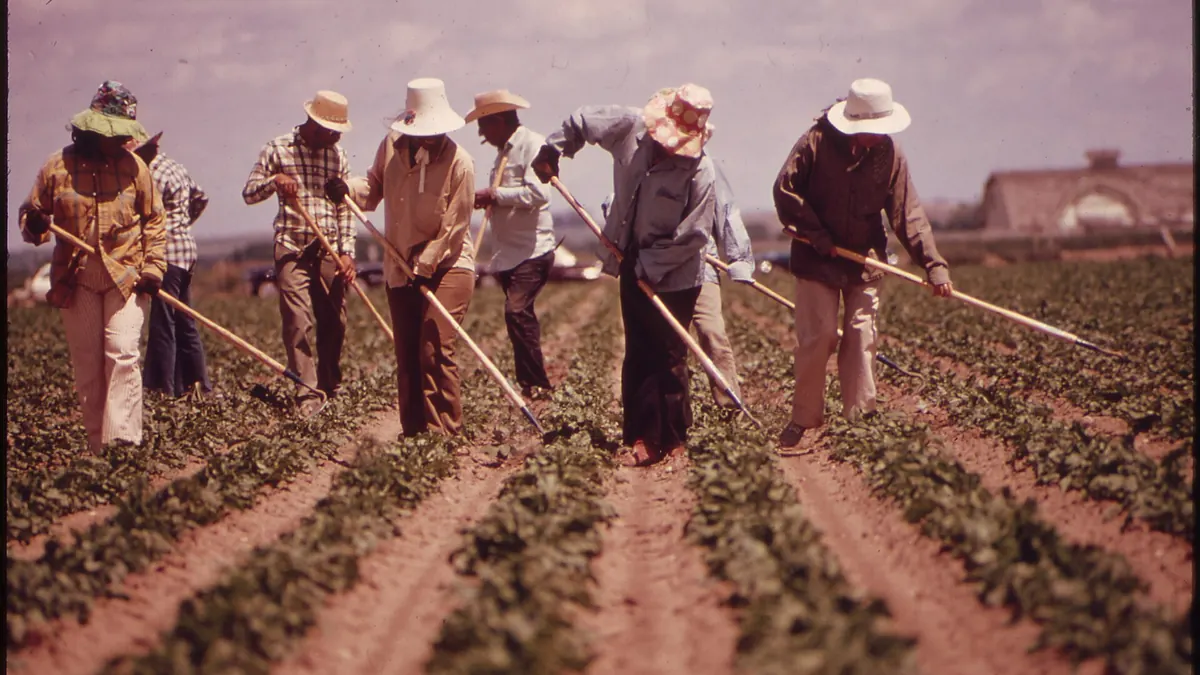
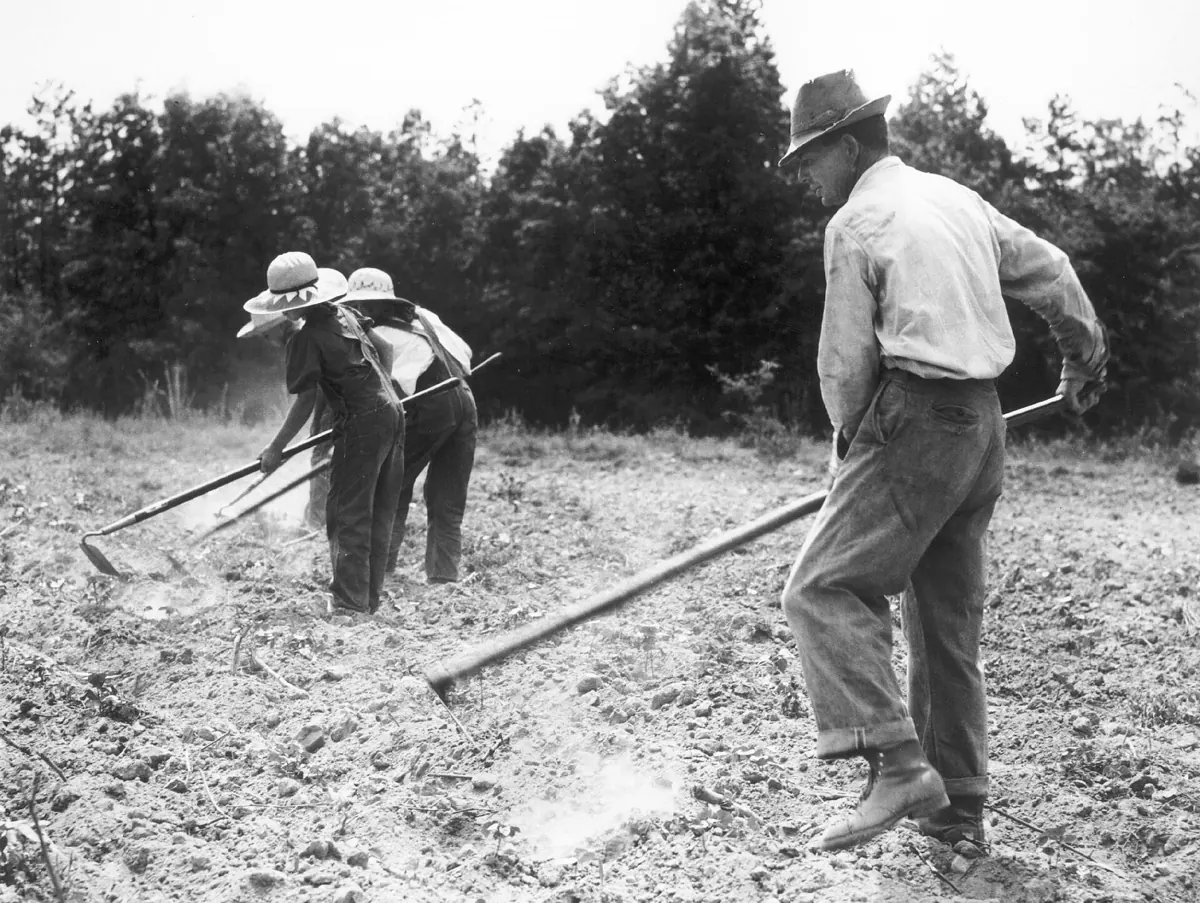
A hand weeder or dandelion fork helps with long taproots. A sharp hoe slices off lots of small weeds just below the surface on a dry, sunny day.
Mulch right away
Spread 2 to 3 inches of shredded bark, wood chips, straw or shredded leaves over bare soil. Keep it an inch or two away from plant stems and tree trunks.
Top up once a year
Mulch breaks down. Add a fresh layer each spring to keep blocking weeds.
Boiling water for cracks and paths
Pouring boiling water over weeds cooks their leaves and shallow roots. It works well on young and annual weeds growing between pavers, in sidewalk cracks and on gravel paths, where there are no plants you want to keep. Tough perennial weeds may regrow and need a second or third treatment.
Be careful: carry the kettle low, wear closed shoes, and keep kids and pets away. Boiling water kills any plant it touches, including grass and flowers, so don’t use it in beds.
Does vinegar kill weeds?
Partly. Regular household vinegar (about 5% acetic acid) burns the leaves of young weeds within a day or two on a hot, sunny day. But it usually doesn’t reach the roots, so perennial weeds like dandelions and bindweed often grow back. It also burns any garden plant it lands on.
Why you should skip salt
Salt does kill weeds, and it’s a common tip online. The problem is that it doesn’t know when to stop. Salt builds up in the soil, spreads with rain into nearby beds and lawns, and can keep anything from growing there for a long time. Keep salt out of any area where you might ever want to grow plants.
Smothering: clear a bed with no digging
To turn a weedy patch or lawn into a new garden bed, cover it with overlapping sheets of plain cardboard (remove tape and labels), wet it down, and cover it with several inches of compost or mulch. Or pin a dark tarp over the area. After 6 to 10 weeks in warm weather, most weeds underneath will be dead. It’s slow, but it takes almost no effort.
Prevent weeds from coming back
- Keep soil covered. Bare soil invites weeds. Use mulch, ground covers or dense plantings.
- Don’t let weeds go to seed. One weed can drop hundreds or thousands of seeds.
- Water the plants you want. Drip irrigation or soaker hoses water plant roots, not the weeds between them.
- Grow a thick lawn. Mowing a little higher (about 3 inches for many grasses) shades out weed seeds.
Natural weed killer FAQs
What kills weeds permanently and naturally?
Pulling or digging out the whole root, then covering the soil with mulch, is the most reliable long-term natural method. Smothering with cardboard also works for large areas.
Does vinegar kill weeds to the root?
Usually not. Household vinegar burns the leaves of young weeds, but deep-rooted perennials often grow back.
Is boiling water a good weed killer?
Yes, for weeds in cracks, paths and patios. It kills any plant it touches, so don’t use it in garden beds.
Is salt a good natural weed killer?
No. Salt damages the soil and can stop anything from growing there for years. It can also wash into nearby plants.
When is the best time to pull weeds?
After a rain or watering, when the soil is moist, and while the weeds are young, before they flower and set seed.
Sources and further reading
- North Carolina State Extension, Taraxacum officinale (dandelion) weed profile
- US EPA, Safe pest control
- Wikipedia, Weed control
More garden guides
Clearing space for something new? Learn how to plant tulip bulbs or plant lavender in your freshly weeded bed. Find more in outdoor plants and flowers.
More from Plant Problems
-
Money Tree Leaves Turning Yellow? 7 Causes and Fixes
Why money tree (Pachira aquatica) leaves turn yellow: overwatering, low light, drafts, sunburn, nutrients, pests or age, with a step-by-step check and fixes. -
Plant Identification: How to Identify Any Plant
How to identify a plant: the best free plant ID apps, the clues to check (leaves, flowers, stems), free expert help, and safety tips for unknown plants.