
Last updated September 30, 2026
Basil is the herb most people want to grow and the one that often gives up on them. The good news? It’s not hard. Basil just needs three things: heat, sun and regular pinching. Give it those, and one plant can keep you in pesto all summer.
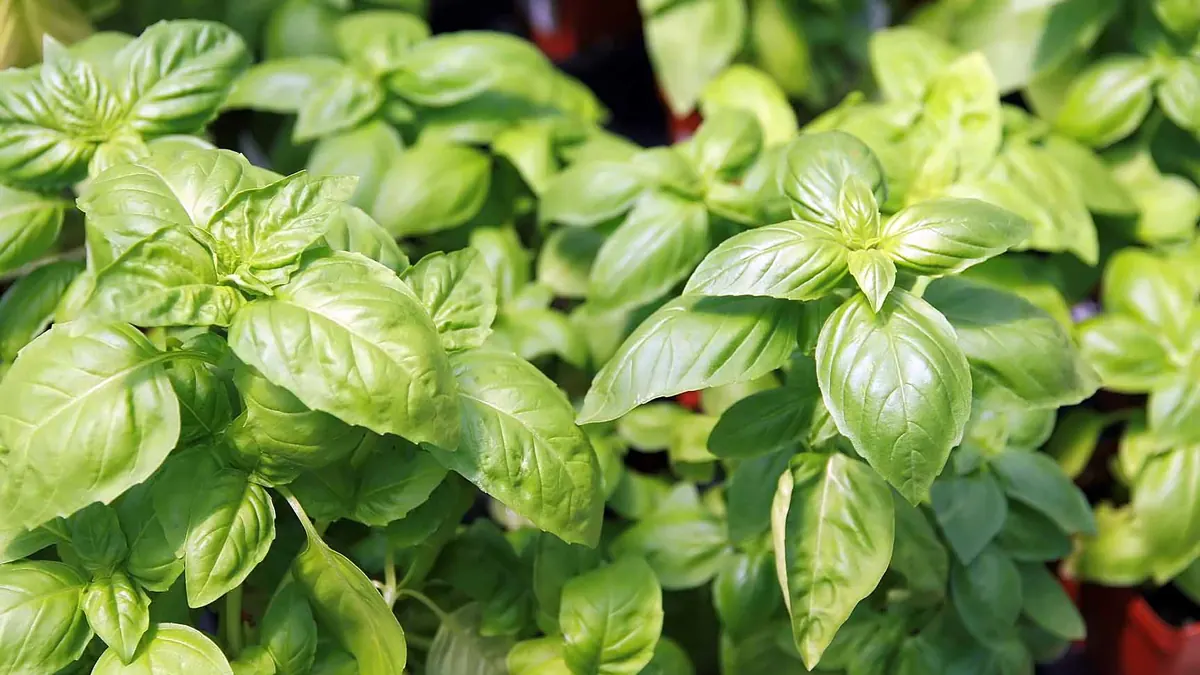
Sun
6–8 hours a day
Temperature
Above 50°F, best 70–85°F
Water
Keep evenly moist
Soil
Rich, well-draining
Seed to harvest
About 60–70 days
Pets
Non-toxic (ASPCA)
Seed, cutting or store-bought plant?
From seed
Cheap and easy. Start seeds indoors 6 to 8 weeks before your last frost, or sow them outside once nights stay above 50°F. Seeds sprout in 5 to 10 days in warm soil.
From a cutting
Snip a 4-inch stem just below a leaf joint, pull off the lower leaves, and stand it in water. Roots show up in about a week or two. It’s a free way to make more plants.
From a grocery store pot
Those pots are really 10 to 20 seedlings crammed together. Gently split the clump into 3 or 4 small groups and pot each one separately. They’ll grow much better.
How to plant basil
Basil is a warm-weather plant. Cold is its biggest enemy. Even one night below 50°F can blacken the leaves, and frost kills it. So don’t rush it. Plant outside about two weeks after your last frost date, when the soil feels warm.
- Pick the sunniest spot you have. Six to eight hours of direct sun is ideal. In very hot areas, a little afternoon shade helps.
- Prepare the soil. Basil likes rich soil that drains well. Mix some compost into garden beds. In pots, use a good potting mix.
- Space plants 12 to 18 inches apart. Good airflow helps prevent disease.
- Water well after planting and keep the soil moist while the plants settle in.
Basil grows great in pots too. Use one at least 8 inches wide and deep with a drainage hole. Potted basil dries out faster, so check it daily in hot weather.
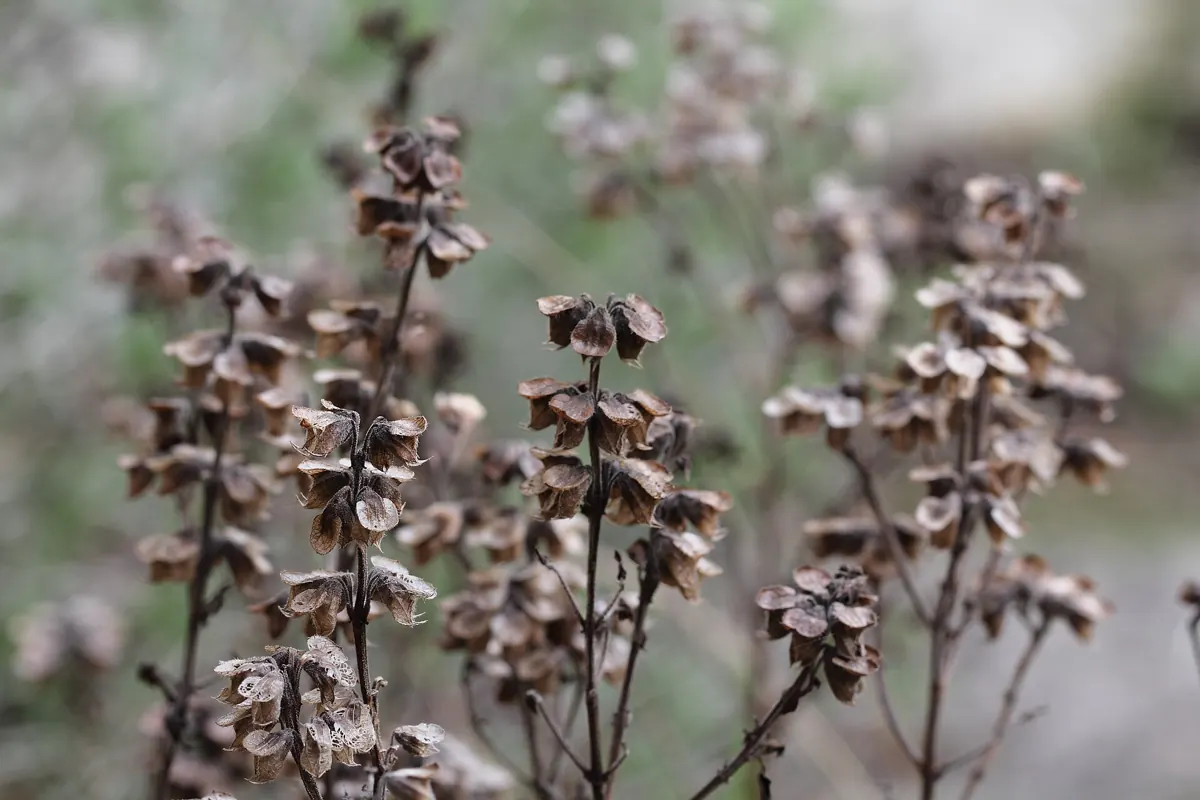
The pinching trick for bushy basil
This is the one habit that separates tall, skinny basil from big, bushy plants. When your plant has about three sets of leaves, pinch off the top just above a pair of leaves. Two new stems will grow from that spot. Pinch those too when they get a few sets of leaves, and your plant doubles its branches every time.
Find a leaf pair
Look down the main stem for a spot where two leaves grow out opposite each other. You’ll see tiny new leaves tucked in above them.
Pinch just above it
Pinch or snip the stem about a quarter inch above that pair. Leave the tiny new leaves in place. They’re next week’s branches.
Repeat every week or two
Keep pinching the tips as the plant grows. Every cut you make is also a harvest.
Watering and feeding
Basil likes steady moisture. Water when the top inch of soil feels dry, which may be every day for pots in hot weather and a couple of times a week for garden beds. Water the soil in the morning, not the leaves, to help prevent disease.
Too much fertilizer makes lots of leaves with less flavor. Mixing compost into the soil at planting is usually enough. For potted basil, a half-strength liquid fertilizer every 3 to 4 weeks keeps it growing.
How to harvest basil
Start picking once the plant is about 6 to 8 inches tall. Always cut stems just above a pair of leaves, the same way you pinch. Never strip the bottom leaves off and leave a bare stem. Try not to take more than a third of the plant at once.
Basil tastes best fresh. To store it for a few days, put the stems in a glass of water on the counter, like flowers. The fridge turns basil leaves black. To keep it longer, freeze it chopped in olive oil in ice cube trays, or make pesto.
Growing basil indoors
You can grow basil inside, but it needs lots of light. A south-facing window works in summer. In winter, most homes don’t get enough sun, so use a grow light for 12 to 14 hours a day, placed a few inches above the plants. Keep indoor basil away from cold windows at night.
Common basil problems
| What you see | Likely cause | What to do |
|---|---|---|
| Black or dark spots on leaves after a cool night | Cold damage | Bring pots in below 50°F; plant later next year |
| Yellow leaves, wet soil | Overwatering or poor drainage | Let the top inch dry; improve drainage |
| Wilting in hot sun | Thirst | Water deeply; give afternoon shade in hot areas |
| Tall, leggy plant | Not enough light or no pinching | More sun; pinch the tips |
| Yellow leaves with gray fuzz underneath | Basil downy mildew | Remove sick plants; try resistant types like ‘Prospera’ |
| Holes in leaves | Slugs, beetles or caterpillars | Hand-pick pests; check leaves at night for slugs |
Types of basil to try
- Genovese or sweet basil: the classic for pesto and Italian cooking.
- Thai basil: purple stems and a spicy, licorice taste. Great in curries and pho.
- Lemon basil: a bright, citrus flavor for fish and salads.
- Purple basil: pretty dark leaves with a slightly spicier flavor.
- Greek or bush basil: tiny leaves on a compact plant, perfect for pots.
Basil FAQs
How often should I water basil?
Water when the top inch of soil is dry. In hot weather, potted basil may need water every day, while garden basil needs water a couple of times a week.
Why is my basil dying?
The most common causes are cold nights below 50°F, soggy soil, not enough sun, and letting it flower. Downy mildew is another cause in humid summers.
Does basil come back every year?
No. Sweet basil is an annual in most of the US and dies at the first frost. You can take cuttings in fall and grow them indoors over winter.
Should I let my basil flower?
Not if you want leaves. Pinch off flower buds to keep the plant bushy and the flavor sweet.
Can basil grow in shade?
It will survive in light shade but grows slowly and gets leggy. Aim for at least six hours of sun.
Sources and further reading
- ASPCA Animal Poison Control, Basil
- North Carolina State Extension, Ocimum basilicum plant profile
More herbs to grow
Basil loves company in the herb garden. Try a bay leaf plant in a pot, or plant lavender for bees and fragrance. For pet-safe kitchen plants, browse our pet-safe plants.
More from Herbs & Edible Plants
-
Bay Leaf Plant: How to Grow Bay Laurel in a Pot
How to grow a bay leaf plant (Laurus nobilis): pots and soil, sun, watering, bringing it indoors for winter, pruning, harvesting and drying leaves, and pests. -
How to Plant Lavender So It Actually Survives
How to plant lavender: choosing English, French or lavandin types, when to plant, soil and drainage, spacing, growing in pots, watering and pruning. -
How to Plant Garlic in Fall for a Big Summer Harvest
How to plant garlic: when to plant in your zone, hardneck vs softneck, how deep to set the cloves, mulching, watering, scapes and when to harvest.