
Last updated September 30, 2026
Every spring, garden centers stack up pots labeled “citronella plant” or “mosquito plant,” promising a bug-free patio. The plant is real, easy and lovely to grow, and its leaves smell like lemon when you brush them. But does it actually keep mosquitoes away? Let’s clear that up first, then get into how to grow one.
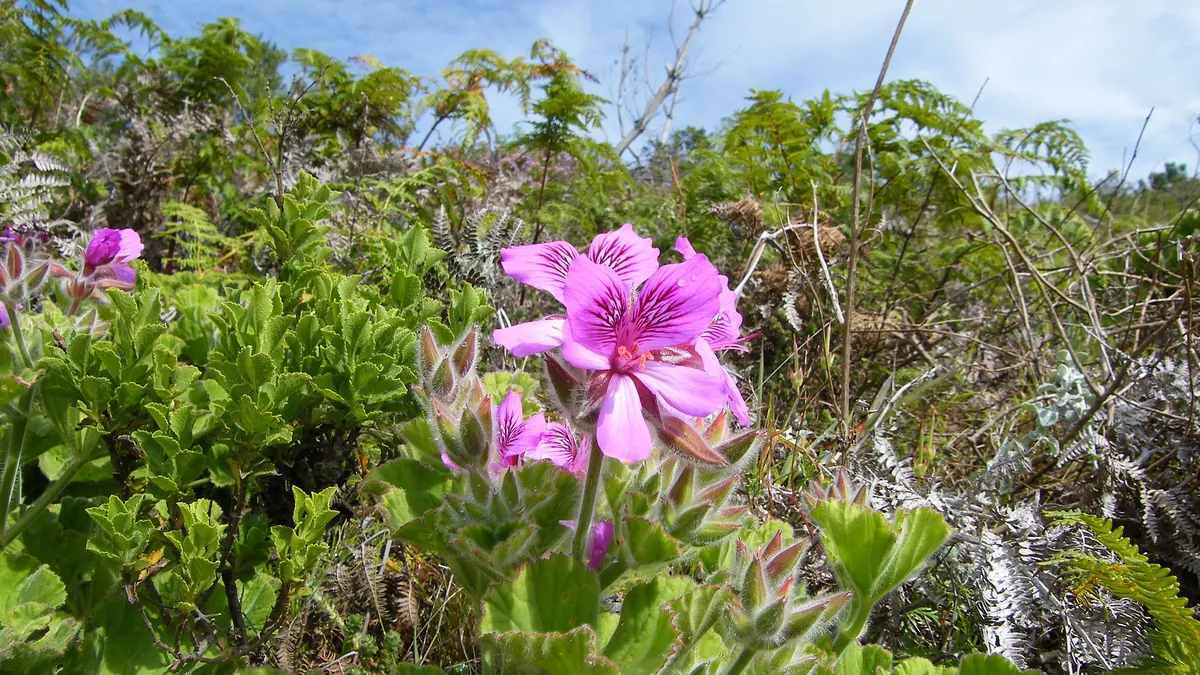
Myth vs. fact
| You may have heard | What’s actually true |
|---|---|
| “The plant keeps mosquitoes away.” | A living plant sitting in a pot does very little. Studies of the citrosa geranium have found it doesn’t give useful protection. |
| “It’s where citronella oil comes from.” | Usually not. Citronella oil is made from citronella grass (Cymbopogon). The common “mosquito plant” is a scented geranium. |
| “Crushing the leaves helps.” | Crushed leaves release lemony oils that may help a little for a short time, but they can irritate skin. A proper repellent works far better. |
| “It’s not worth growing.” | Wrong! It’s a tough, pretty, fragrant plant for pots and borders. Just grow it for the scent, not as bug control. |
Two different “citronella plants”
Citronella geranium (mosquito plant)
Pelargonium ‘Citrosum’, also sold as citrosa. Lacy, deeply cut leaves with a strong lemon scent and small lavender-pink flowers. Grows about 2 to 3 feet tall. This is the one in most garden centers.
Citronella grass
Cymbopogon nardus and C. winterianus. A big clumping grass, 5 to 6 feet tall, related to lemongrass. This is the true source of citronella oil. Hardy only in about zones 10 to 12.
The rest of this guide covers the citronella geranium, since that’s what most people bring home.
Citronella plant care
Sun
6+ hours, some afternoon shade in hot areas
Water
When top inch of soil is dry
Soil
Well-draining potting or garden soil
Hardiness
Zones 9–11; annual elsewhere
Size
2–3 ft tall and wide
Pets
Toxic (geranium family)
Light
Give it full sun, at least six hours a day. In the hottest parts of the country, a little afternoon shade keeps the leaves from scorching. In too much shade, the plant grows leggy and smells weaker.
Watering
Water when the top inch of soil is dry. In summer, potted plants may need water every day or two. Plants in the ground need less. Let the soil dry a bit between waterings; soggy soil causes yellow leaves and root rot. Water at the base, not over the leaves.
Soil and pots
Any good potting mix works in containers, as long as the pot has a drainage hole. In garden beds, mix some compost into the soil. Citronella geraniums are great in large patio pots, window boxes and borders near seating areas, where you’ll brush the leaves and enjoy the scent.
Feeding
Feed potted plants with a balanced liquid fertilizer every 2 to 4 weeks in spring and summer. Plants in the ground need less. Too much nitrogen gives lots of floppy leaves and fewer flowers.
Pruning for a bushy plant
Left alone, citronella geraniums can get tall and sprawling. Pinch off the tips of long stems every few weeks in summer. Each pinch makes the plant branch out, so it grows fuller and rounder. Snip off faded flowers too. And the pieces you cut? They root easily, which leads us to the next part.
Keeping it through winter
Citronella geraniums are tender. They survive outdoors year-round only in about USDA zones 9 to 11. Everywhere else, frost kills them. You have two good options before the first frost:
Option 1: bring the whole plant inside
Trim it back by about a third, check for bugs, and move the pot to your sunniest window. Water less in winter, only when the soil is dry. It won’t grow much, but it will survive until spring.
Option 2: take cuttings
Cut 4- to 6-inch stem tips just below a leaf joint. Pull off the lower leaves and push the stems into small pots of moist potting mix. Keep them in bright light. They root in a few weeks and take up far less space than a big plant.
Move it back outside in spring
Once nights stay above 50°F, bring plants back out. Put them in shade for a few days first, then slowly move them into full sun.
Common problems
| Problem | Likely cause | Fix |
|---|---|---|
| Yellow lower leaves | Overwatering or old leaves | Let soil dry between waterings; remove old leaves |
| Tall, leggy stems | Not enough sun or no pinching | More sun; pinch tips |
| Brown, crispy edges | Heat stress or drought | Water more often; give afternoon shade |
| Sticky leaves, tiny white insects | Whiteflies or aphids | Spray off with water; use insecticidal soap |
Citronella plant FAQs
Does the citronella plant really repel mosquitoes?
Not in a useful way. Research on the citrosa geranium has found the living plant does little to keep mosquitoes off people. Removing standing water and using an EPA-registered repellent work much better.
Is a mosquito plant the same as a citronella plant?
Yes, usually. Both names are used for the citronella geranium, Pelargonium ‘Citrosum’. True citronella grass is a different plant.
Is citronella plant an annual or perennial?
It’s a tender perennial. It lives for years in zones 9 to 11, but in colder areas it’s grown as an annual or brought indoors for winter.
Can I grow a citronella plant indoors?
Yes, in a very sunny window. It grows best outside in summer and can come inside for winter.
How often should I water a citronella plant?
When the top inch of soil is dry. That can mean daily for pots in hot weather and less often for plants in the ground.
Sources and further reading
- ASPCA Animal Poison Control, Geranium
- US EPA, Find the insect repellent that’s right for you
- Wikipedia, Citronella oil
More for your patio
Want more fragrance outside? Plant lavender in a sunny, dry spot, or grow basil in a pot by the kitchen door. See more in outdoor plants and flowers.
More from Outdoor Plants & Flowers
-
Natural Weed Killer: What Actually Works
Natural weed killer options compared: vinegar, boiling water, hand-pulling, mulch, smothering and more, with what works, what doesn’t, and safety tips. -
How to Plant Lavender So It Actually Survives
How to plant lavender: choosing English, French or lavandin types, when to plant, soil and drainage, spacing, growing in pots, watering and pruning. -
How to Plant Tulip Bulbs: When and How Deep
How to plant tulip bulbs in fall: the best time for your USDA zone, how deep and far apart to plant, pots vs beds, and how to get tulips to come back.