
 By
By Homemade Hair Masks for Hair Fall – Natural Remedies Worth Trying
Seeing extra hair on your pillow or in the shower drain can be really frustrating. Hair fall is one of the most common hair concerns, and many people deal with it at some point in their lives.
The good news? Your kitchen might already have some powerful ingredients that people have been using for generations. These homemade hair masks are simple, affordable, and may help reduce hair fall over time with regular use.
Why Does Hair Fall Happen?
Before jumping into the masks, it helps to understand a few common causes of hair fall:
- Nutritional deficiencies – Lack of iron, protein, or vitamins
- Stress – Physical or emotional stress can affect the hair cycle
- Scalp issues – Dandruff or an oily scalp can weaken hair roots.
- Harsh products – Overuse of heat tools or chemical treatments
- Hormonal changes – Very common in women during postpartum or menopause
Knowing the cause can help you choose the right mask for your needs.
3 Easy Homemade Hair Masks for Hair Fall
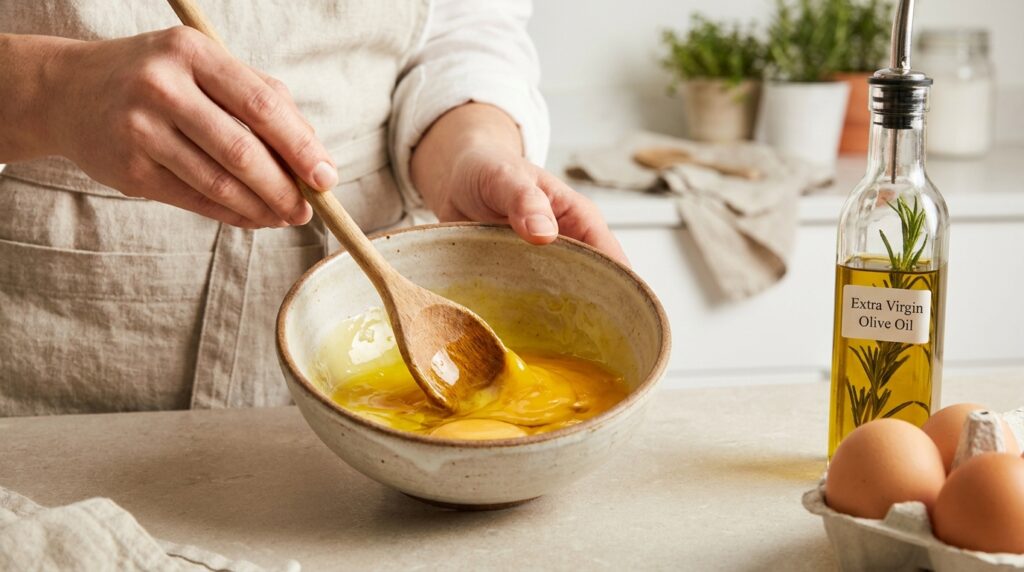
1. Egg and Olive Oil Mask
Eggs are packed with protein and biotin, both of which are important for hair strength. Olive oil helps moisturise the scalp and may reduce breakage.
How to make it:
- Beat 1 egg in a bowl.
- Add 2 tablespoons of olive oil.
- Mix well and apply from roots to tips.
- Leave on for 30 minutes.
- Rinse with cool water and mild shampoo.
Many people use this mask once a week and notice softer, stronger hair over time.
2. Onion Juice and Coconut Oil Mask
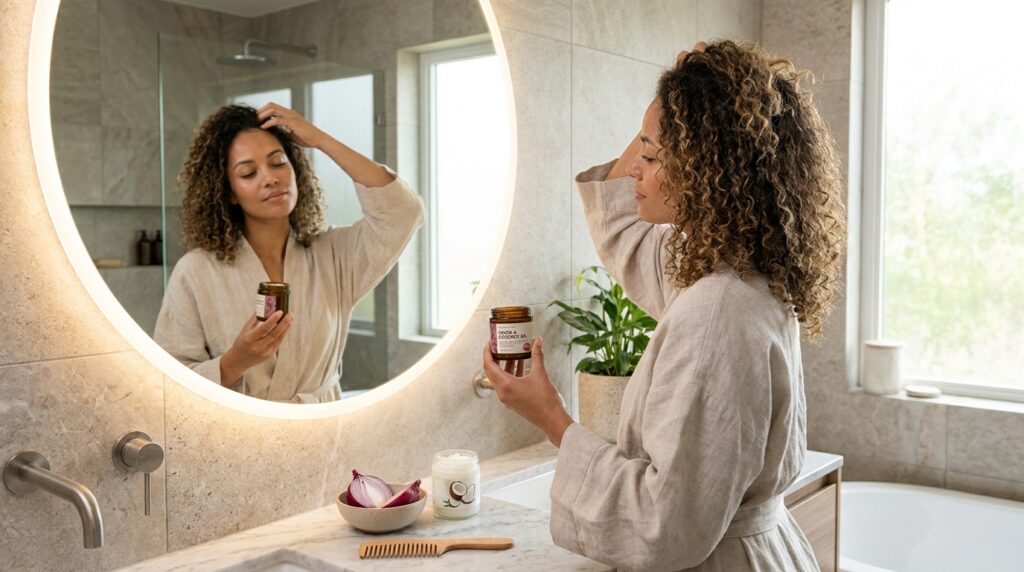
Onion juice is rich in sulfur, which may help improve blood circulation to the scalp. Coconut oil adds nourishment and can reduce protein loss in hair.
How to make it:
- Blend or grate one onion and squeeze out the juice.
- Mix with 2 tablespoons of coconut oil.
- Apply directly to the scalp.
- Leave for 20–30 minutes.
- Wash thoroughly with a gentle shampoo.
Yes, it smells strong — but it rinses out well, and many people swear by this remedy.
3. Aloe Vera and Castor Oil Mask
Aloe vera is known for its soothing properties and may help balance scalp pH. Castor oil is thick and rich in ricinoleic acid, which is commonly preferred for promoting a healthy scalp environment.
How to make it:
- Scoop out 3 tablespoons of fresh aloe vera gel.
- Mix with 1 tablespoon of castor oil.
- Apply to scalp and hair lengths.
- Leave on for 45 minutes.
- Rinse and shampoo as usual.
This mask works well for people with a dry or sensitive scalp.
Tips for Best Results
Getting the most out of your hair masks comes down to consistency and technique:
- Apply to damp hair – It helps the ingredients absorb better.
- Massage your scalp – Even 5 minutes of gentle massage can improve circulation.
- Use regularly – Most people see noticeable changes after 4–6 weeks.
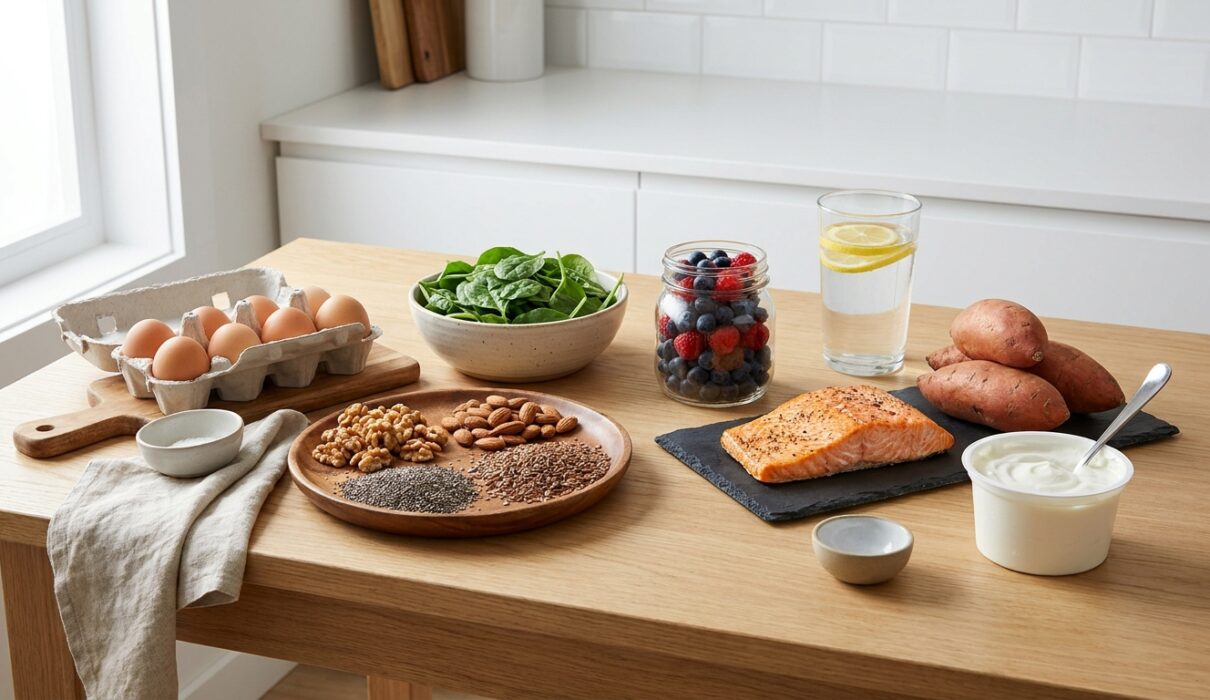
- Pair with a healthy diet – Hair health starts from the inside, too
- Avoid hot water – Always rinse hair masks with cool or lukewarm water.
Frequently Asked Questions
Q1: How often should I use a homemade hair mask for hair fall? Most hair masks can be used once or twice a week. Overusing them, especially protein-based ones like egg masks, can sometimes make hair feel stiff or brittle.
Q2: Can homemade hair masks completely stop hair fall? These masks may help reduce hair fall caused by weakness, dryness, or scalp issues. However, if your hair fall is severe or sudden, it is a good idea to consult a dermatologist to rule out any underlying condition.
Q3: Is onion juice safe for all hair types? Onion juice is generally considered safe for most hair types. However, people with sensitive skin or scalp conditions should do a patch test first before applying it fully.
Conclusion
Homemade hair masks are a gentle, natural way to care for your hair without spending a lot of money. Ingredients like egg, onion juice, aloe vera, and coconut oil have been used in hair care routines for centuries — and for good reason.
Start with one mask, stick to it for a few weeks, and see how your hair responds. Small, consistent steps can make a real difference over time.
Your hair deserves a little extra love — and your kitchen is a great place to start.