

 By
By Best Hairstyles to Protect Your Hair and Reduce Breakage
We all want healthy, strong hair — but everyday styling, heat, and environmental stress can take a real toll. That’s where protective hairstyles come in.
These styles are designed to keep your ends tucked away, reduce daily manipulation, and give your hair a much-needed break. Whether your hair is natural, relaxed, fine, or thick, there’s a protective style out there that can work beautifully for you.
Let’s walk through some of the best options.
What Makes a Hairstyle “Protective”?
A hairstyle is considered protective when it:
- Keeps your ends shielded from friction and damage
- Reduces the need for daily combing or styling
- Limits exposure to heat and harsh weather
- Allows moisture to stay locked in longer
Low manipulation is the key. The less you’re pulling, heat-styling, or combing your hair every day, the better chance it has to retain length and stay strong.
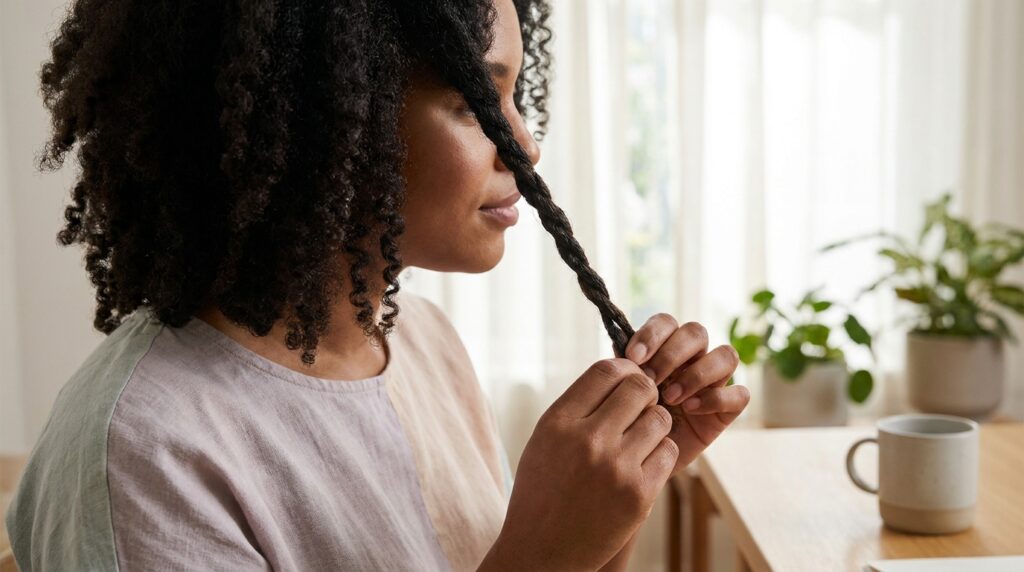
Top Protective Hairstyles to Try
1. Box Braids
Box braids are one of the most popular protective styles — and for good reason. They keep your natural hair tucked in, last for several weeks, and work for a wide range of hair textures.
They can also be styled in different ways, from high buns to ponytails, so you won’t get bored.
2. Twists and Two-Strand Twists
Two-strand twists are a gentler alternative to braids. They’re easy to do at home, cause less tension on the scalp, and can look stunning when worn out or pinned up.
Many people with natural hair commonly prefer this style because it keeps the hair moisturized and coiled without much pulling.
3. Buns and Updos
A simple low bun or high bun may help protect your ends from rubbing against your clothes and shoulders. This is one of the easiest styles to do in minutes.
Try using a silk scrunchie instead of rubber bands to avoid unnecessary breakage at the hairline.
4. Cornrows
Cornrows lay flat against the scalp and keep the hair neatly tucked for weeks at a time. When done without too much tension, they can be a great long-term protective option.
Avoid very tight cornrows near the edges — this can lead to traction over time.
5. Wigs and Sew-Ins
Wearing a wig or sew-in allows your natural hair to rest completely underneath. This is especially helpful if you’re trying to grow your hair out or recover from heat damage.
Make sure your natural hair is properly moisturized underneath and that the style isn’t installed too tightly.

Tips for Wearing Protective Styles Safely
Even the best protective hairstyle can cause damage if worn incorrectly. Here are a few things to keep in mind:
- Moisturize regularly — Don’t neglect your hair just because it’s tucked away
- Don’t keep styles in too long — Most styles should be removed after 4–8 weeks
- Avoid tight tension — Pulling too hard at the roots can stress the hairline
- Sleep on a satin pillowcase — This reduces friction overnight
- Cleanse your scalp — Use a diluted shampoo or scalp spray to keep things clean
FAQs
Q1: How long should I keep a protective style in? Most protective styles are best kept in for 4 to 8 weeks. Leaving them in too long can cause matting, buildup, or breakage when you take them down.
Q2: Can protective hairstyles help with hair growth? They may support length retention by reducing breakage and manipulation. However, hair growth itself depends on overall health, diet, and genetics — not just the style you wear.
Q3: Are protective styles suitable for all hair types? Many protective styles can be adapted for different hair textures. Some styles work better for natural or coily hair, while others like buns and updos work well on straight or wavy hair too.
Conclusion
Protective hairstyles are a smart, stylish way to give your hair a break from daily stress. Whether you choose braids, twists, buns, or wigs, the goal is simple — less manipulation, more moisture, and healthier hair over time.
Start with a style that feels comfortable and manageable for your routine. Your hair will thank you for it.