

 By
By Hair Growth Tips That Actually Work
Why Is Your Hair Not Growing as Fast as You’d Like?
Most people assume hair growth is all about genetics — and while that plays a role, it is not the whole story. Everyday habits like your diet, stress levels, and how you treat your scalp can make a huge difference.
The good news? Small changes can lead to noticeable improvements over time.
Start With Your Scalp — It Is the Foundation
Healthy hair starts at the root, quite literally. If your scalp is dry, clogged, or inflamed, your hair follicles cannot function properly.
Here is what may help:
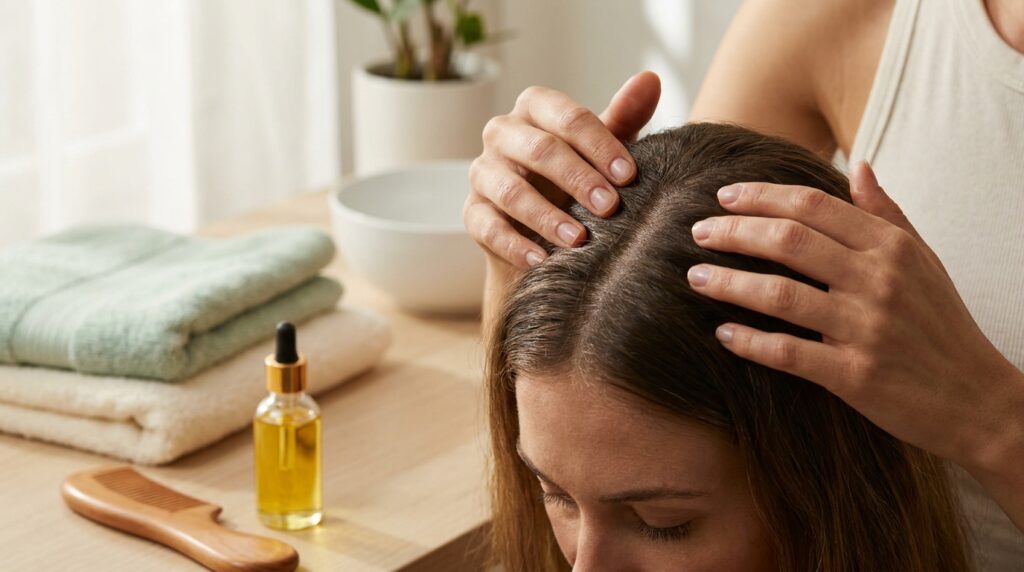
- Scalp massages – Massaging your scalp for 3 to 5 minutes daily may improve blood circulation, which can support follicle activity.
- Keep it clean – Product buildup and excess oil can block follicles. Use a gentle, sulfate-free shampoo regularly.
- Exfoliate occasionally – A mild scalp scrub once a week can remove dead skin and help create a healthier environment for growth.
Think of your scalp like soil. Healthy soil grows healthy plants.
Feed Your Hair From the Inside
What you eat directly affects how your hair grows. Hair is mostly made of a protein called keratin, so your diet matters more than most people realize.
Nutrients that many people find helpful for hair health:
- Protein – Found in eggs, chicken, lentils, and Greek yogurt
- Biotin – Commonly found in nuts, seeds, and whole grains
- Iron – Present in spinach, red meat, and legumes
- Vitamin D – Often linked to hair follicle health; found in fatty fish and fortified foods
- Omega-3 fatty acids – Found in walnuts, flaxseeds, and salmon
Staying well-hydrated is equally important. Dehydration can make hair dry and brittle, increasing breakage.
Reduce Breakage to Retain Length
Many people focus only on growing hair faster, but retaining length is just as important. If your hair breaks at the same rate it grows, it will seem like it is not growing at all.
Simple habits that can reduce breakage:
- Use a wide-tooth comb on wet hair instead of a brush.
- Avoid tight hairstyles that pull on the roots.
- Apply a heat protectant before using styling tools.
- Trim split ends every 8 to 10 weeks.
- Sleep on a silk or satin pillowcase to reduce friction.
These small adjustments can make a real difference in the length you retain month after month.

Extra Tips That Many People Swear By
- Castor oil – Many people apply it to the scalp a few times a week. Some find it may help with thickness and moisture.
- Aloe vera – Commonly used as a scalp soother; may help reduce irritation.
- Reduce stress – Chronic stress is closely linked to hair shedding. Exercise, sleep, and mindfulness can all play a supporting role.
- Limit chemical treatments – Frequent coloring, relaxing, or perming can weaken the hair shaft over time.
Frequently Asked Questions
Q1: How fast does hair typically grow? On average, hair grows about half an inch per month. Results vary based on genetics, age, and overall health.
Q2: Can I grow hair faster with supplements? Some people find supplements like biotin or collagen helpful, especially if they have a nutritional deficiency. It is always a good idea to check with a doctor before starting any supplement.
Q3: Does trimming hair make it grow faster? Trimming does not speed up root growth, but it removes split ends that cause breakage. This helps you retain more length over time.
Conclusion
Growing longer, healthier hair is not about finding a magic product. It is about building consistent habits — nourishing your scalp, eating well, minimizing damage, and being patient.
Start with one or two changes and stick with them. Over a few months, many people see a real difference simply by paying more attention to what their hair actually needs.
Your hair is always growing. Your job is to provide the right conditions for it to thrive.